If you live in northern Palm Beach County or Martin County, you've probably noticed the signs even if you didn't name them: spots on the glasses, crusty buildup around the faucets, soap that never quite lathers. That's hard water, and Florida has some of the hardest in the country. Beyond the cosmetic annoyances, hard water quietly shortens the life of your water heater, appliances, and fixtures. This guide explains what hard water is doing to your home, how to know if you need a water softener, and what soft water installation costs in 2026.
What is hard water, and why is it a problem in Florida?
Hard water is water with a high concentration of dissolved minerals — mainly calcium and magnesium. Florida's groundwater picks these up from the limestone aquifer it flows through, which is why so much of the state deals with notably hard water. It's not a health hazard, but it is hard on everything it touches.
Those minerals don't stay dissolved. They precipitate out as scale — the chalky white buildup you see on fixtures — and that same scale forms inside pipes, water heaters, and appliances where you can't see it. Over time it narrows pipes, coats heating elements, and forces every water-using appliance in your home to work harder.
What are the signs I need a water softener?
Hard water announces itself in small, everyday ways. You likely have a hard-water problem worth addressing if you notice:
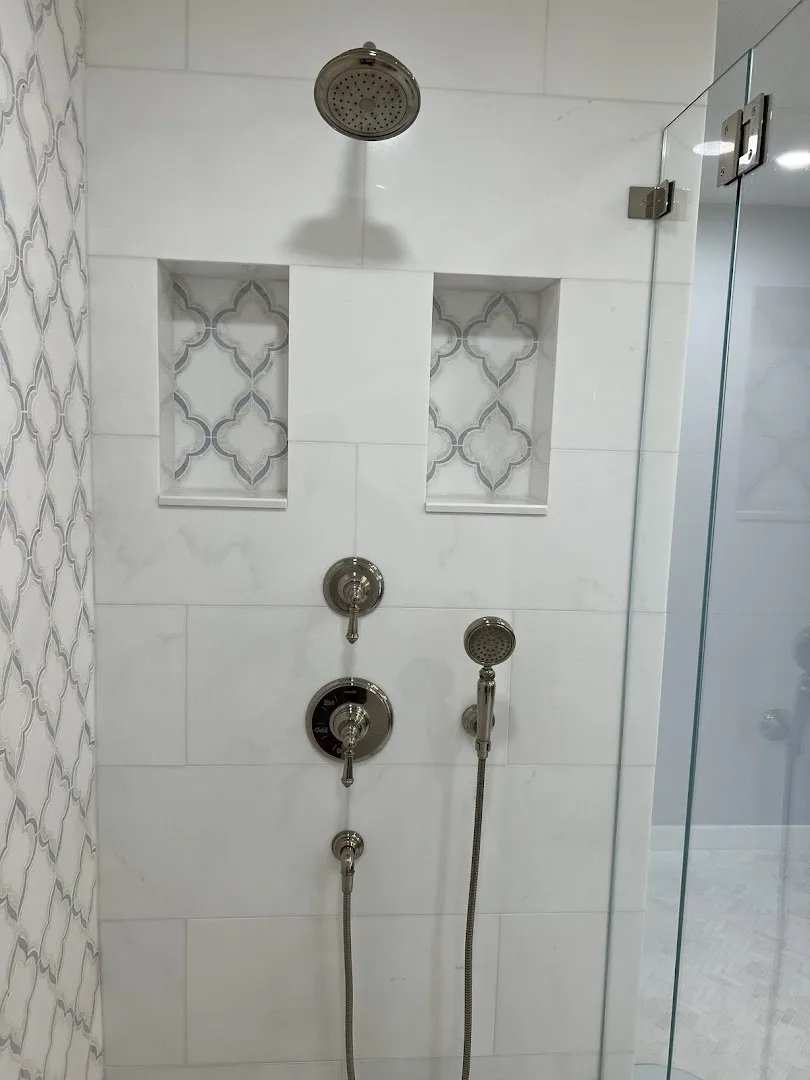
- Spots and film on dishes, glassware, and shower doors that come back no matter how you clean.
- Chalky scale building up around faucets, showerheads, and drains.
- Soap and detergent that won't lather, so you use more of everything — soap, shampoo, dish and laundry detergent.
- Dry skin and dull, filmy hair after showering.
- Stiff, dingy laundry that wears out faster.
- Declining water heater performance or a unit that fails earlier than expected.
Individually these are minor. Together they add up to higher costs and more frequent replacements across your whole home.
How does hard water affect my plumbing and appliances?
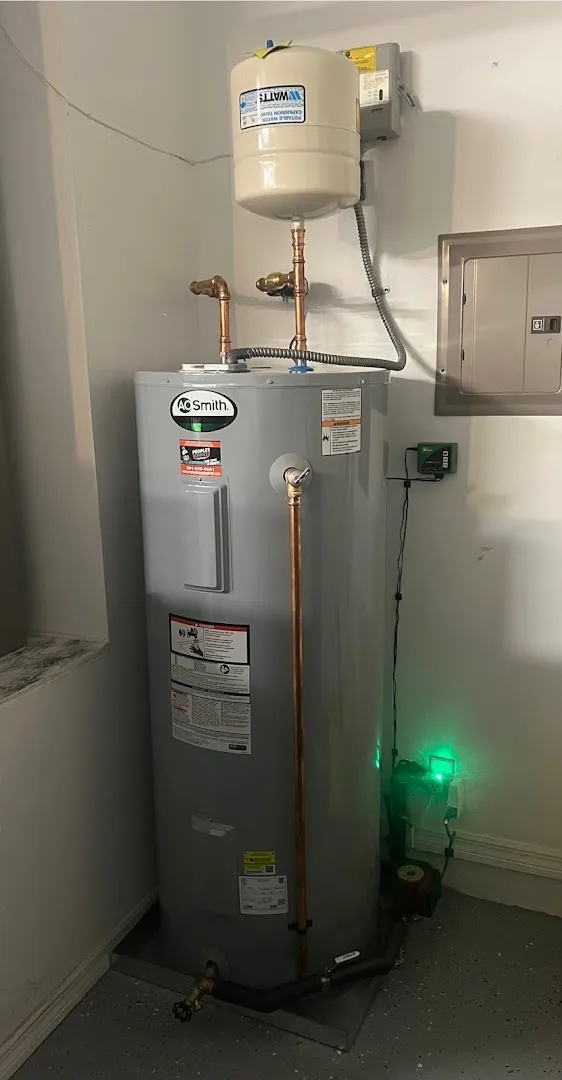
This is the part homeowners don't see until something breaks. Water heaters, dishwashers, and washing machines are especially vulnerable — scale builds up on heating elements and internal components, forcing them to run longer and hotter to do the same job. That extra strain shortens their lifespan significantly and drives up energy use.
The efficiency loss is measurable. Reducing scale in water heaters and appliances can improve their efficiency and, according to Department of Energy research, lower related energy costs by roughly 22 to 29 percent. In a state where your water heater is already fighting hard water year-round, that's the difference between a unit that lasts its full life and one that fails years early. Tankless owners feel this especially — see our tankless water heater maintenance guide. It's also why we mention hard water in nearly every maintenance conversation — it's the single biggest environmental factor working against your plumbing here.
How much does a water softener cost in 2026?
Most water softeners cost $800 to $3,000 in 2026, including the system and installation, depending on the type and your home's setup. In Florida specifically, entry-level systems often start around $1,800, while premium systems that also reduce chlorine and chloramine can run $3,800 or more.
Installation labor typically adds $200 to $400 for a straightforward job, rising to $400 to $800+ if new supply lines are needed or the installation location is tight. Salt-based systems also carry a small ongoing cost — roughly $5 to $15 per month in salt.
Weighed against what hard water costs you — a water heater that dies early, appliances that wear out, and higher energy bills — a softener often pays for itself over its lifetime, especially in Florida's hard-water conditions.
Salt-based vs. salt-free: which is right for my home?
The two main types work differently, and the distinction matters:
Salt-based (ion exchange) softeners are the traditional standard. They physically remove calcium and magnesium from the water, delivering genuinely soft water throughout the home — no scale, better lather, longer appliance life. The trade-offs are the ongoing salt cost and periodic refilling of the brine tank. For most homes with moderate-to-hard water, this is the system that solves the problem completely.
Salt-free systems (more accurately called water conditioners) don't remove minerals — they alter the mineral structure so it's less likely to form scale. They cost roughly $1,500 to $3,500 installed, have no ongoing salt cost, and require less maintenance. The catch: they condition rather than truly soften, so they don't reduce the measured hardness of your water. They can be a good fit for homeowners who want scale protection without salt, but they won't give you the classic soft-water feel.
Which one is right depends on how hard your water actually is and what you're trying to solve. That's worth a professional assessment rather than a guess — testing your water hardness first tells you which system will actually deliver.
Does a water softener need maintenance?
Yes, but it's minimal. A salt-based system needs its brine tank refilled with softener salt periodically — how often depends on your water hardness and household size, but for most homes it's every one to two months. Beyond that, the system benefits from an occasional check: cleaning the brine tank once a year or so, confirming the unit is regenerating on schedule, and testing your water hardness now and then to make sure it's still performing. Salt-free conditioners require even less attention since there's no salt to refill, though their media eventually needs replacing.
None of this is demanding, and it's worth folding a quick softener check into your regular plumbing maintenance so a professional can confirm it's working correctly and catch any issue before it lets hard water back into your home. Given how much a softener protects — your water heater, your appliances, your fixtures — a few minutes of upkeep is a small price to keep it doing its job.
Protect your home from Florida's hard water
Hard water is a slow, quiet problem — which is exactly why so many homeowners only address it after it has already cost them a water heater or a set of appliances. A water softener protects the whole system at once. People's Choice Plumbing serves Jupiter, Palm Beach Gardens, Tequesta, North Palm Beach, Hobe Sound, Stuart, Palm City, and Jensen Beach, and can assess your water and recommend the right approach for your home.
Contact People's Choice Plumbing to ask about water softener and soft water installation.
Talk to a licensed plumber
Get a firm quote for your home from People's Choice Plumbing, serving Jupiter, Palm Beach Gardens, and all of northern Palm Beach County and Martin County.
Frequently Asked Questions
How do I know if I need a water softener in Florida?
Common signs include spotty dishes and glassware, chalky scale on faucets and showerheads, soap that won't lather, dry skin and dull hair, stiff laundry, and a water heater that underperforms or fails early. Florida's limestone aquifer makes hard water especially common here.
How much does a water softener cost in 2026?
Most systems cost $800 to $3,000 installed. In Florida, entry-level systems often start around $1,800, and premium systems with chlorine reduction can reach $3,800 or more. Installation labor typically adds $200 to $800 depending on complexity.
What's the difference between salt-based and salt-free water softeners?
Salt-based systems physically remove hardness minerals for genuinely soft water, with an ongoing salt cost. Salt-free systems condition the water to resist scale but don't reduce measured hardness. Salt-based fully softens; salt-free protects against scale without salt.
Does hard water really damage appliances?
Yes. Scale from hard water builds up on water heater elements and inside appliances, forcing them to work harder and shortening their lifespan. Reducing scale can improve efficiency and lower related energy costs by about 22 to 29 percent.
Is a water softener worth it in Florida?
For most Florida homes with hard water, yes. The cost is often offset over time by longer-lasting appliances and water heaters, lower energy use, and reduced spending on soap and detergent.