When something goes wrong with your plumbing, the first question is whether it can wait until tomorrow or needs a plumber right now. Get that wrong in the panic of the moment and you either overpay for an after-hours call you didn't need — or you wait on a problem that's flooding your home by the minute. This guide lays out exactly what counts as a plumbing emergency, the first steps to take before help arrives, and how to reach a plumber fast across northern Palm Beach County and Martin County.
What counts as a plumbing emergency?
A plumbing emergency is any problem that's actively causing damage, poses a health or safety risk, or leaves your home without usable water. The clearest cases:
- A burst or uncontrollable leaking pipe releasing water into your home.
- A sewage or drain backup coming up into tubs, showers, or floor drains — a genuine health hazard.
- No water at all to the house.
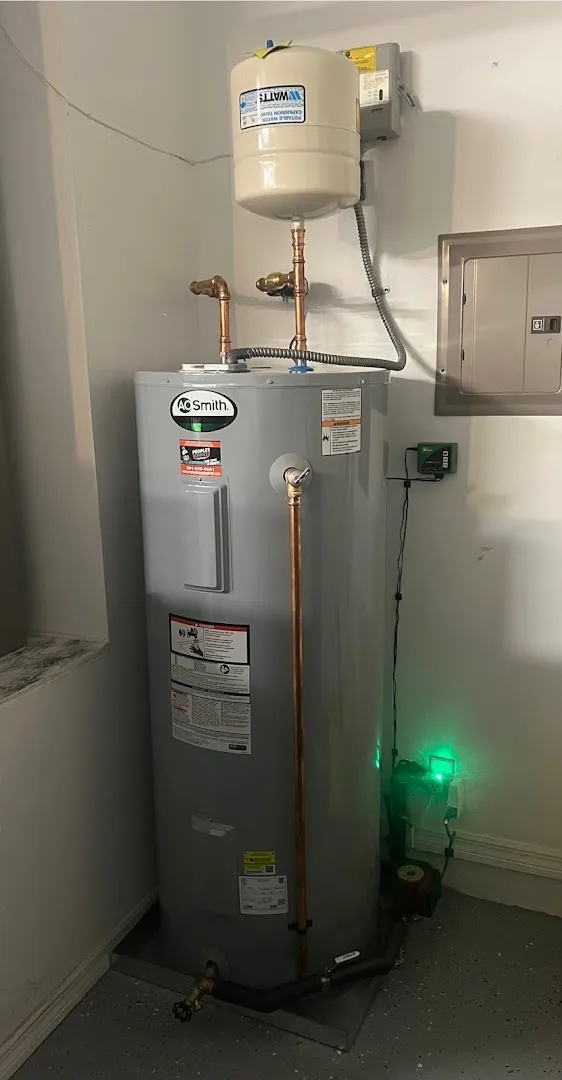
- A leaking or failing water heater, especially one spilling water onto the floor.
- An overflowing toilet or fixture you can't stop.
- The smell of gas near a gas line or gas appliance.
If any of these is happening, don't wait — the cost of delay is measured in gallons and structural damage. A burst pipe can release many gallons in just minutes, and even a slow hidden leak causes progressive damage and mold behind walls and under floors.
What's NOT an emergency (and can wait)?
Plenty of plumbing problems are urgent-feeling but not true emergencies, and treating them as one can mean paying an after-hours premium unnecessarily. These can usually wait for a same-day or scheduled visit:
- A single slow or clogged drain when other fixtures still work.
- A dripping faucet or a toilet that runs intermittently.
- Low water pressure at one fixture.
- A water heater that isn't heating but isn't leaking.
The dividing line is simple: is water going where it shouldn't, is it a health or safety risk, or have you lost water entirely? If yes, it's an emergency. If it's a contained nuisance, it can wait — our guide on same-day plumbing covers how to think about the urgent-but-not-emergency middle ground.
What should I do first in a plumbing emergency?
Before anyone arrives, a few fast actions limit the damage. In almost every water emergency, step one is the same:
- Shut off the water. For a single fixture, close its supply valve. For a burst pipe or a problem you can't isolate, shut off the main water valve — in Florida homes it's often near the water heater, in the garage, or at an exterior wall near where the line enters the house. Know where yours is before you need it.
- Cut power to the affected area if water is near outlets, wiring, or the water heater — switch off the relevant breakers if you can do so safely.
- For a sewage backup, stop using all water in the house immediately. Every drain connects to the same line, so running any water makes it worse. Keep everyone away from the contaminated area — raw sewage carries harmful bacteria.
- For the smell of gas, leave the home immediately and call from outside. Don't flip switches or light anything.
- Contain and document. Mop or towel what you safely can, move valuables clear of the water, and take photos for your insurance.
- Call a plumber and describe what's happening, what you've shut off, and where.
One firm rule: don't try to repair a burst pipe or clear a sewage backup yourself. DIY attempts on these commonly make the situation worse before a professional arrives.
Do you offer 24-hour emergency plumbing?
Here's an honest answer, because it matters when you're deciding who to call. People's Choice Plumbing answers the phone seven days a week and provides fast, same-day emergency service during weekday business hours. For a burst pipe or backup during the day, we prioritize getting to you quickly. What we won't do is pretend to be a 24/7 overnight operation we're not — and knowing how to shut off your water buys you the time to reach us. That's why the shut-off step above is the single most important thing you can do: with the water off, a contained emergency can safely wait for a prompt professional response rather than a frantic 2 a.m. call.
When you do reach us, expect the plumber to assess the situation on arrival and give you a clear estimate before starting work. Our emergency plumbing service is built for exactly these urgent situations.
How much does emergency plumbing cost?
Emergency and after-hours plumbing generally costs more than routine service. Nationally, emergency visits commonly run $150 to $500 for common residential problems, with after-hours calls (nights, weekends, holidays) often billed at 1.5 to 2 times the standard rate plus a trip fee. Service during normal business hours is billed at standard rates — which is another reason a contained problem is often cheaper handled promptly during the day than as an overnight emergency. Whatever the timing, a reputable plumber quotes the job before beginning the work.
Know your shut-off before you need it
The homeowners who handle plumbing emergencies best are the ones who located their main shut-off valve before anything went wrong. Take two minutes to find yours and make sure it turns freely. Then, when something does happen, you can stop the damage and call for help calmly. People's Choice Plumbing provides emergency and same-day plumbing across Jupiter, Palm Beach Gardens, Tequesta, North Palm Beach, Juno Beach, Hobe Sound, Stuart, Palm City, and Jensen Beach.
Reach People's Choice Plumbing for emergency service or contact our team.
Talk to a licensed plumber
Get a firm quote for your home from People's Choice Plumbing, serving Jupiter, Palm Beach Gardens, and all of northern Palm Beach County and Martin County.
Frequently Asked Questions
What counts as a plumbing emergency?
A plumbing emergency is any problem actively causing damage, posing a health or safety risk, or leaving you without water — including a burst pipe, a sewage or drain backup, no water to the house, a leaking water heater, an unstoppable overflowing fixture, or the smell of gas.
What should I do first in a plumbing emergency?
Shut off the water — the fixture's valve for a local problem, or the main valve for anything you can't isolate. Cut power near water if needed, stop using all water during a sewage backup, leave immediately if you smell gas, then call a plumber and describe the situation.
Where is my main water shut-off valve?
In most Florida homes it's near the water heater, in the garage, or along an exterior wall where the water line enters the house. Locate it and confirm it turns freely before an emergency happens.
Is a slow or clogged drain a plumbing emergency?
Usually not, if other fixtures still work and nothing is overflowing. A single slow drain can typically wait for a same-day or scheduled visit. It becomes urgent if multiple fixtures back up at once, which can signal a main line problem.
How much does an emergency plumber cost?
Emergency visits commonly run $150 to $500 for common residential issues, and after-hours calls are often billed at 1.5 to 2 times the standard rate plus a trip fee. Service during normal business hours is charged at standard rates.